
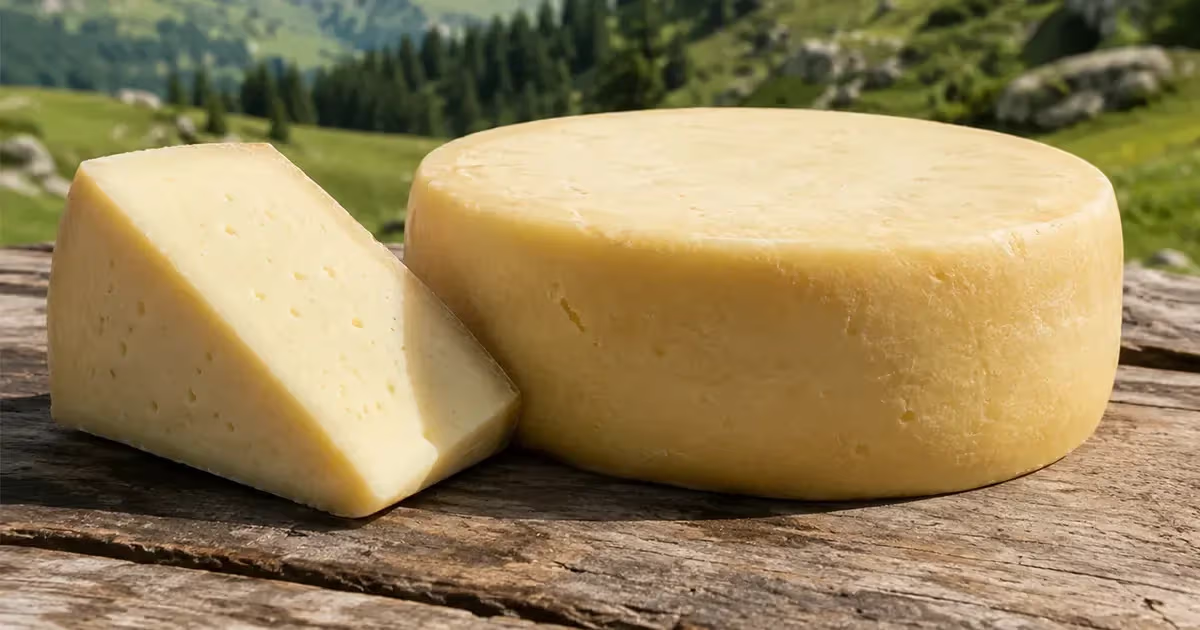
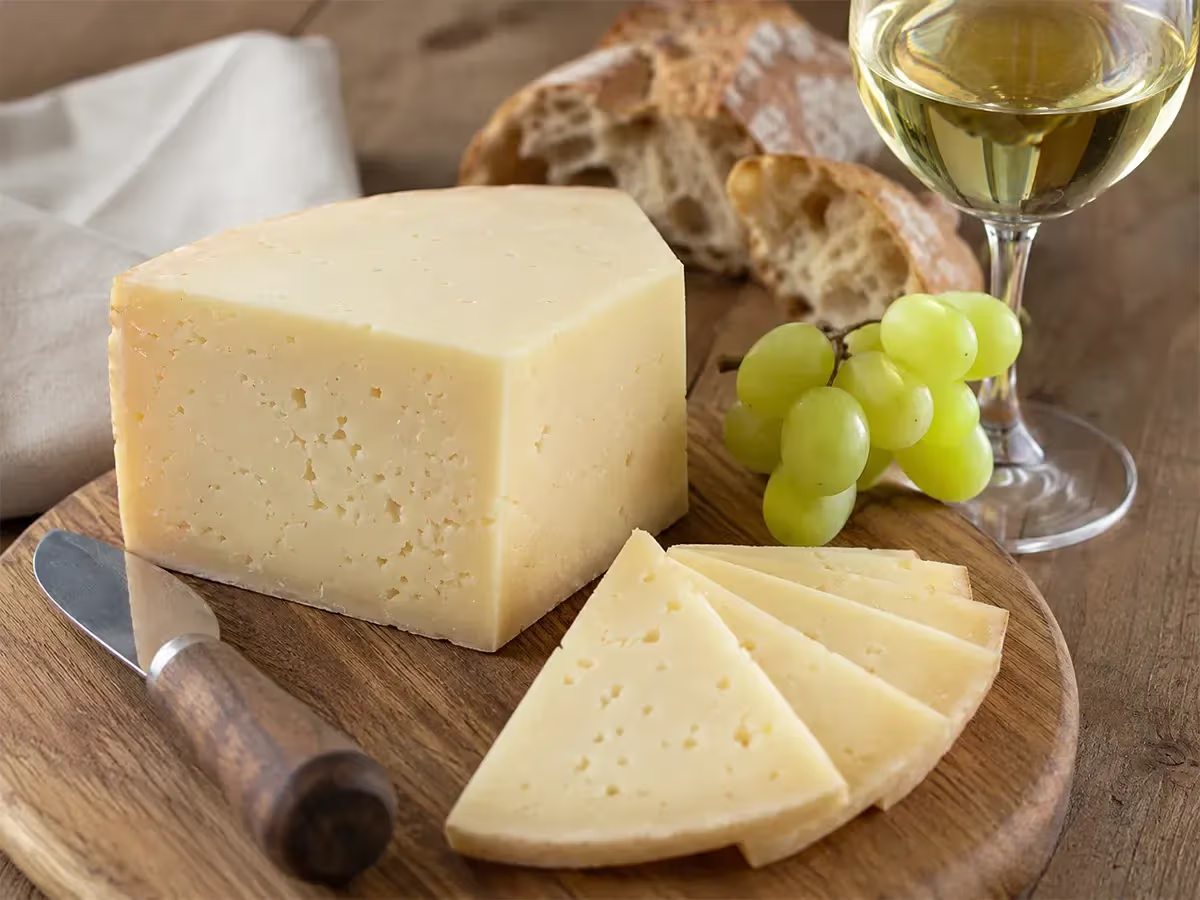
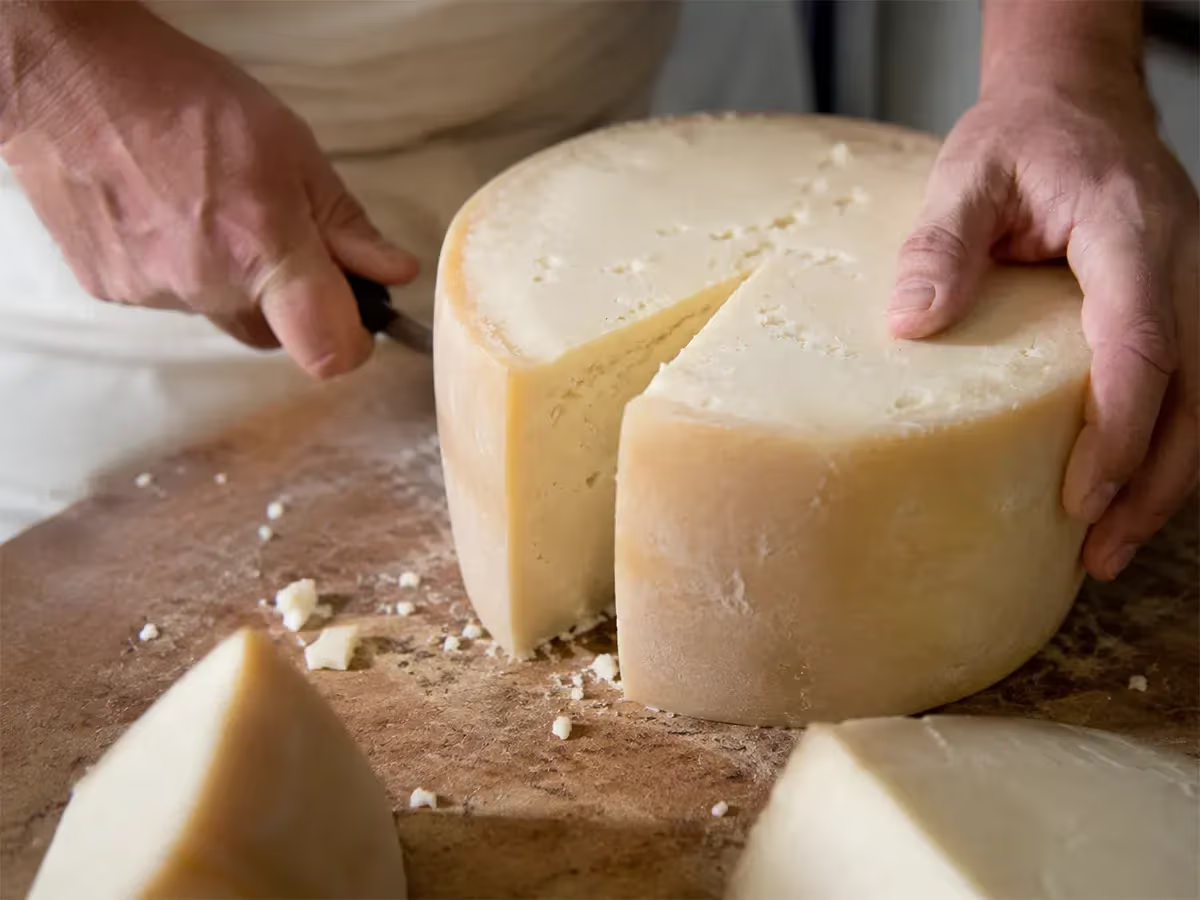
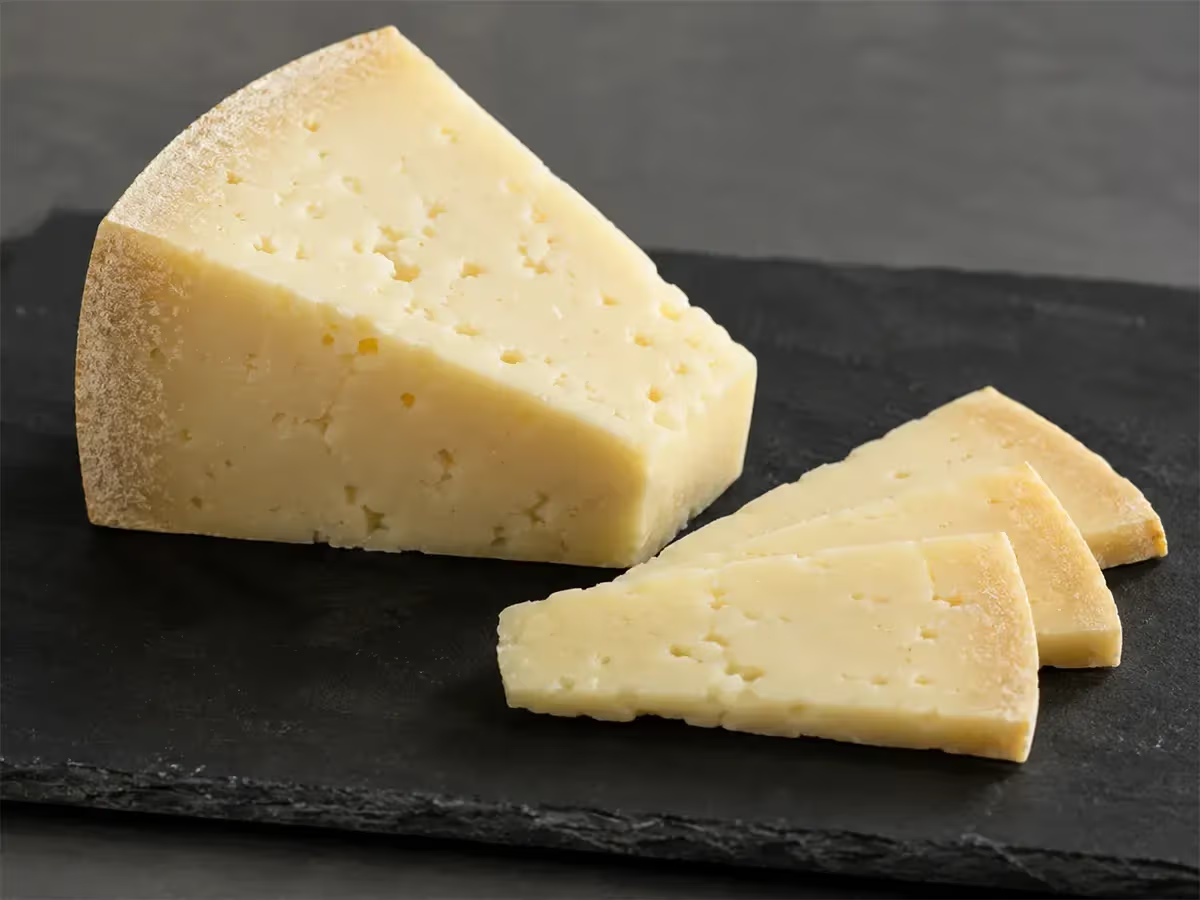
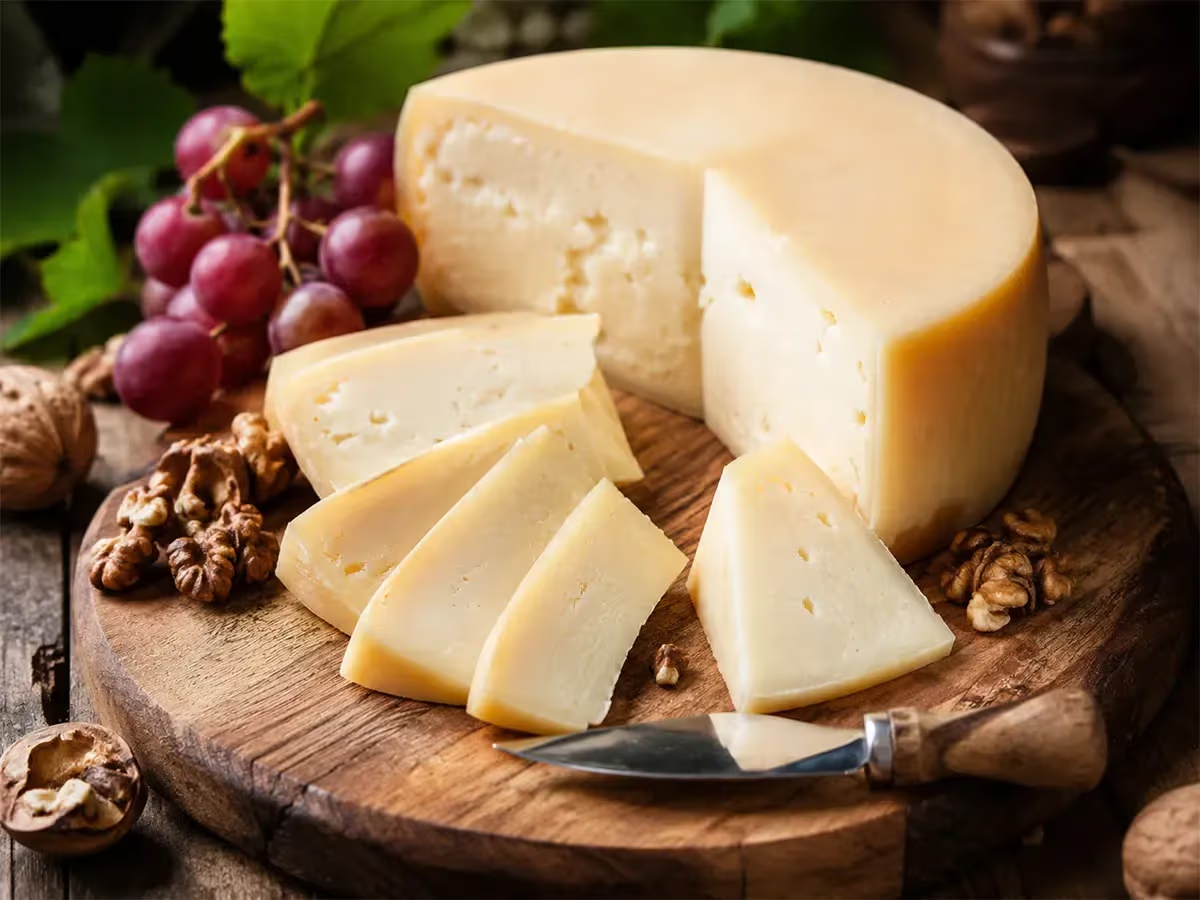
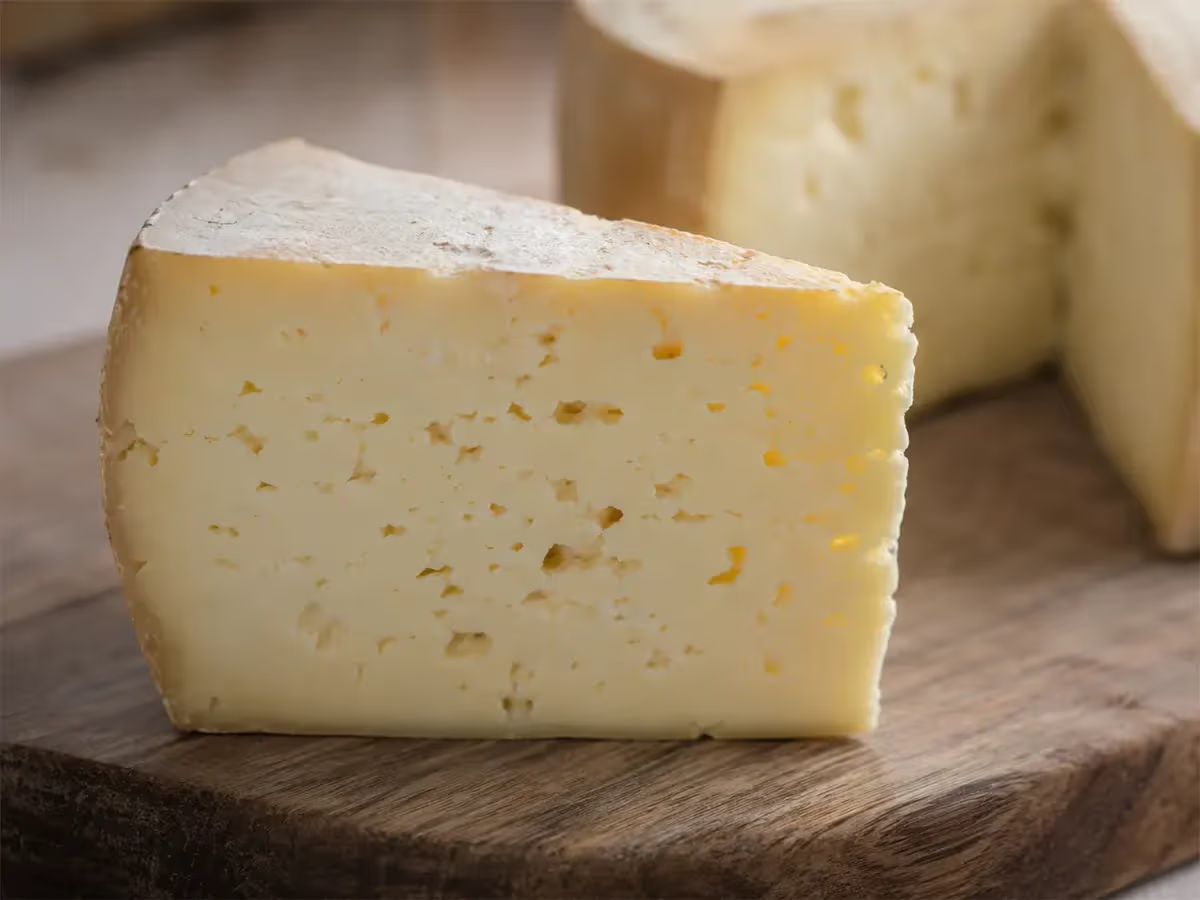
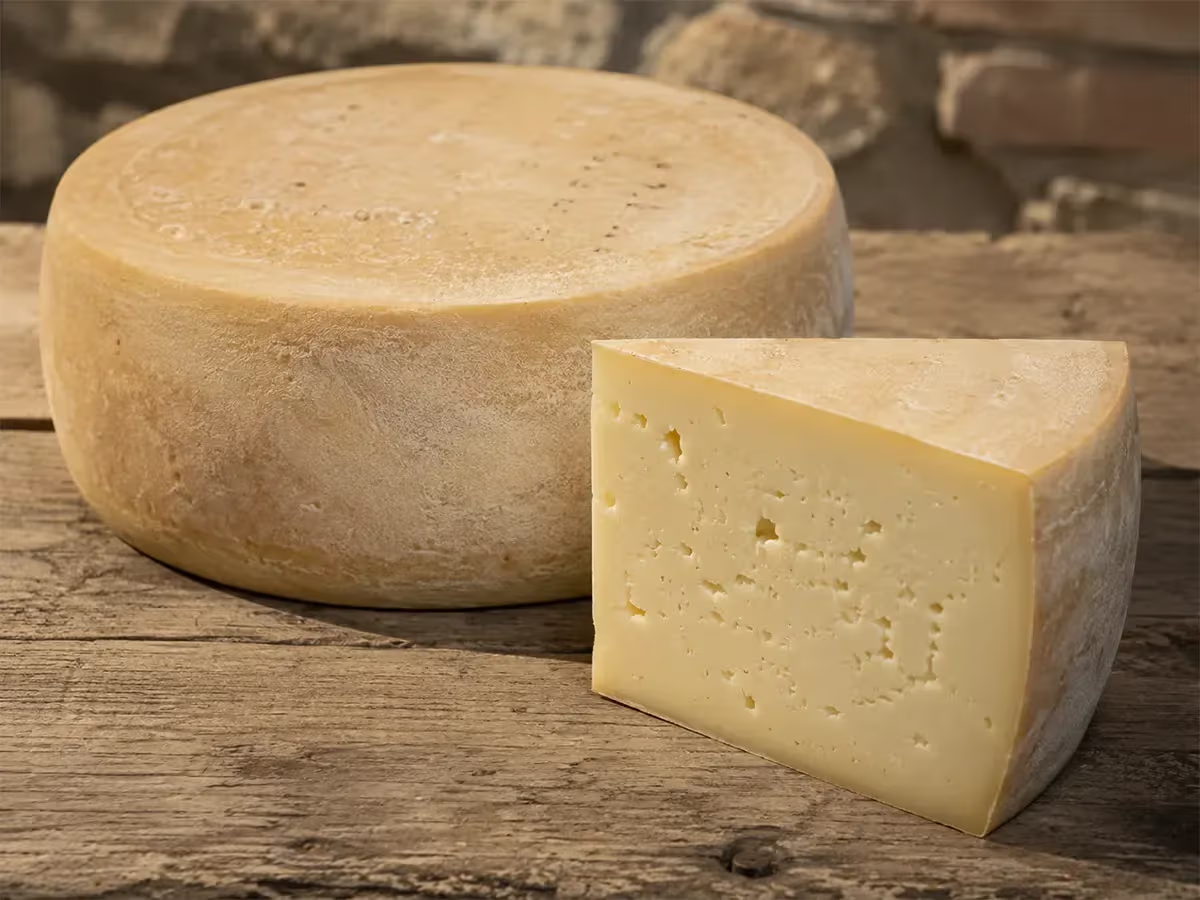
Asiago DOP is a semi-cooked paste cheese produced with cow's milk, originating from the homonymous Vicenza plateau and the surrounding areas between the provinces of Vicenza, Trento, Padua and Treviso. It exists in two distinct versions based on aging and character: the Fresco, with thin crust and soft paste, and the Stagionato, which develops in variants, Mezzano, Vecchio and Stravecchio, with increasing structures and intensity. On the palate, the Fresco presents itself delicate, with milky notes and an elastic and compact consistency. The Stagionato progressively gains character: the paste becomes drier and grainy, the flavor enriches with savory nuances, slightly spicy in the more mature versions. In the kitchen, Asiago Fresco lends itself to being consumed at table, melted on hot dishes or as a filling; the Stagionato is grated, accompanies soups, risottos and pastas, or is served in flakes alongside cured meats and honey.
The roots of Asiago sink deep into sheep farming that for centuries characterized the plateau of the Seven Communities, in the Vicenza area. Traditionally, the cheese was produced with sheep's milk; with the gradual replacement of flocks with cattle, which presumably occurred between the seventeenth and eighteenth centuries, the production shifted to cow's milk, giving shape to the product we know today. The plateau, with its high-altitude pastures, offered ideal conditions for quality livestock farming, and the cheese soon became one of the cornerstones of the local rural economy.
During the twentieth century, production expanded from mountain alpine dairies to lowland cheese factories in the provinces of Padua and Treviso, consolidating a supply chain that unites artisanal tradition and organized production on a larger scale. The recognition of Protected Designation of Origin at the European level officially sanctioned the link between the product and the territory, establishing in the production standards the rules of production, aging and labeling. The Consortium for the Protection of Asiago Cheese, active for decades, oversees the application of these regulations and promotes the authenticity of the product. Asiago DOP today represents one of the most well-known and widespread Italian cheeses, with significant weight in the agri-food economy of the Northeast.
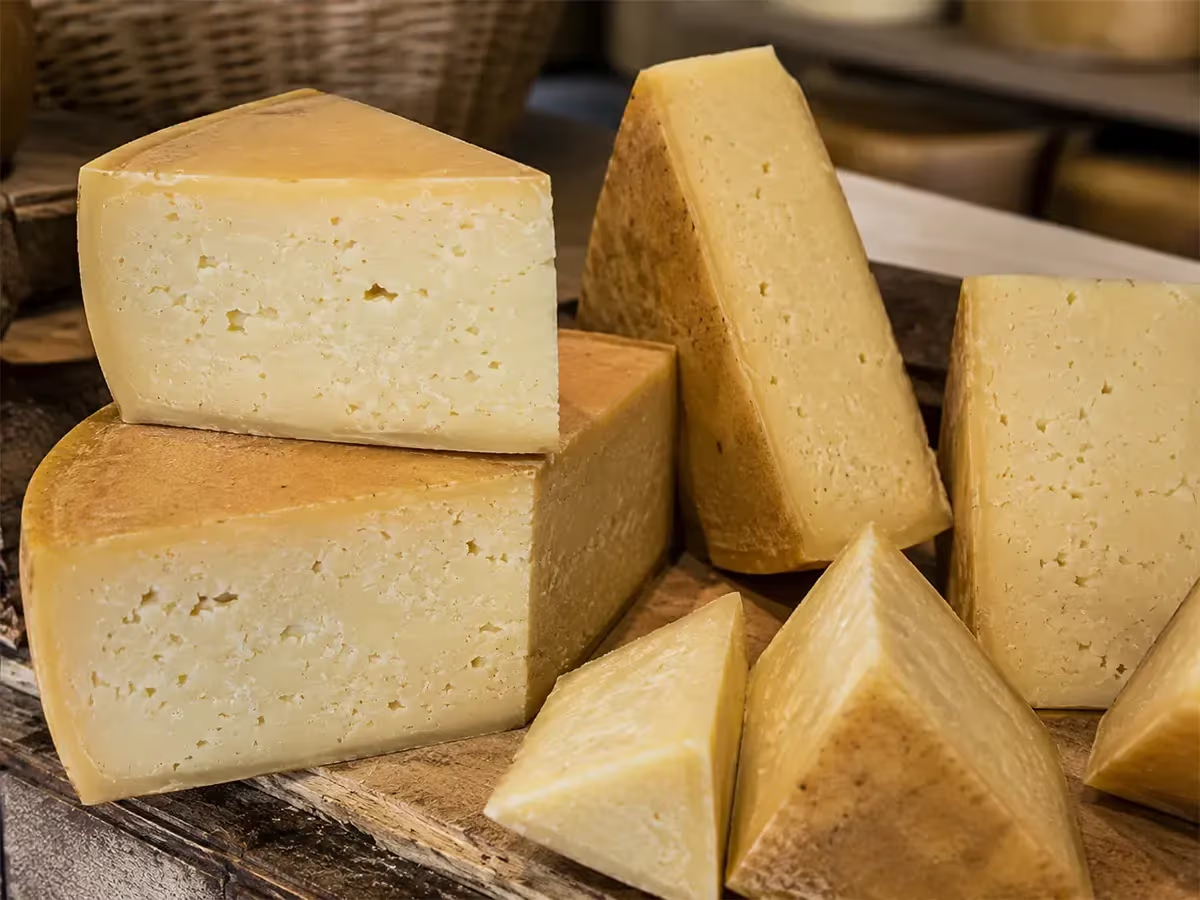
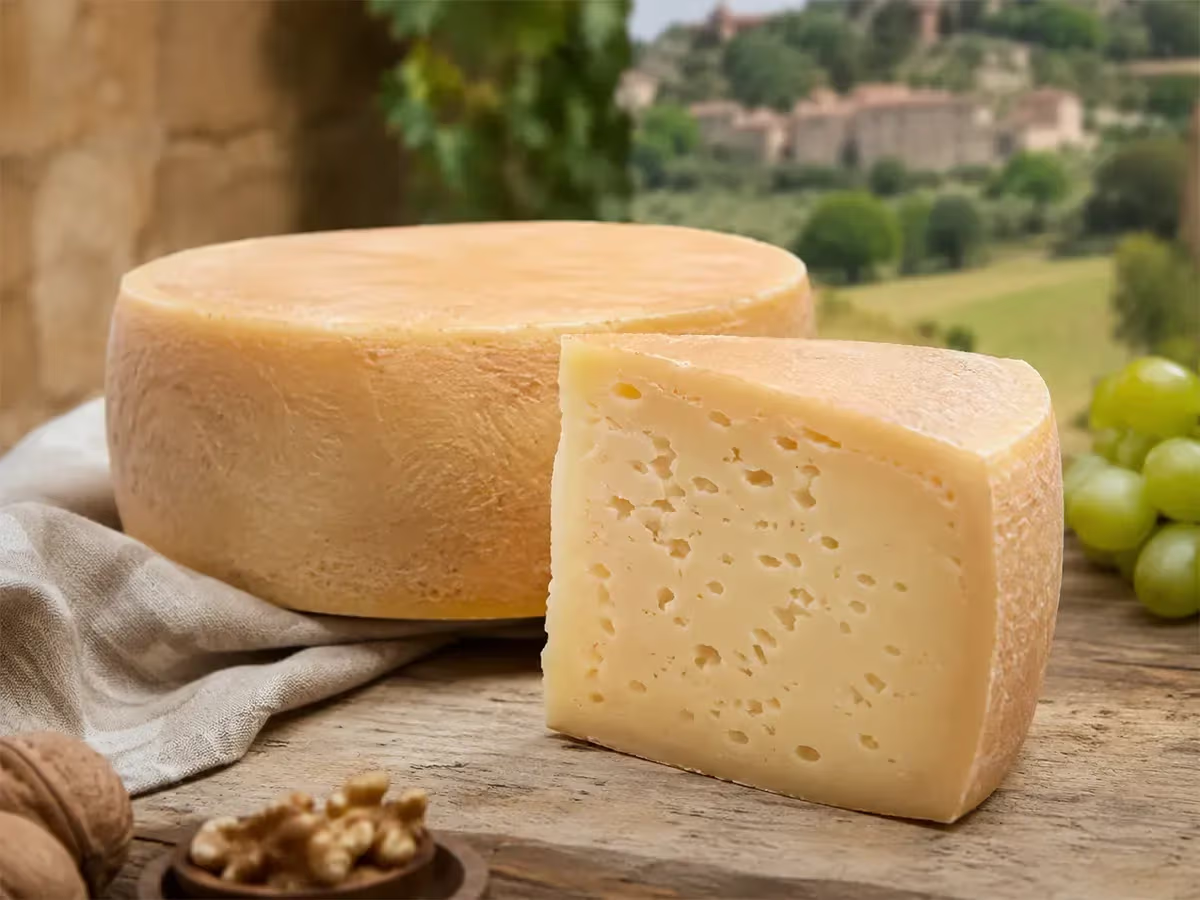
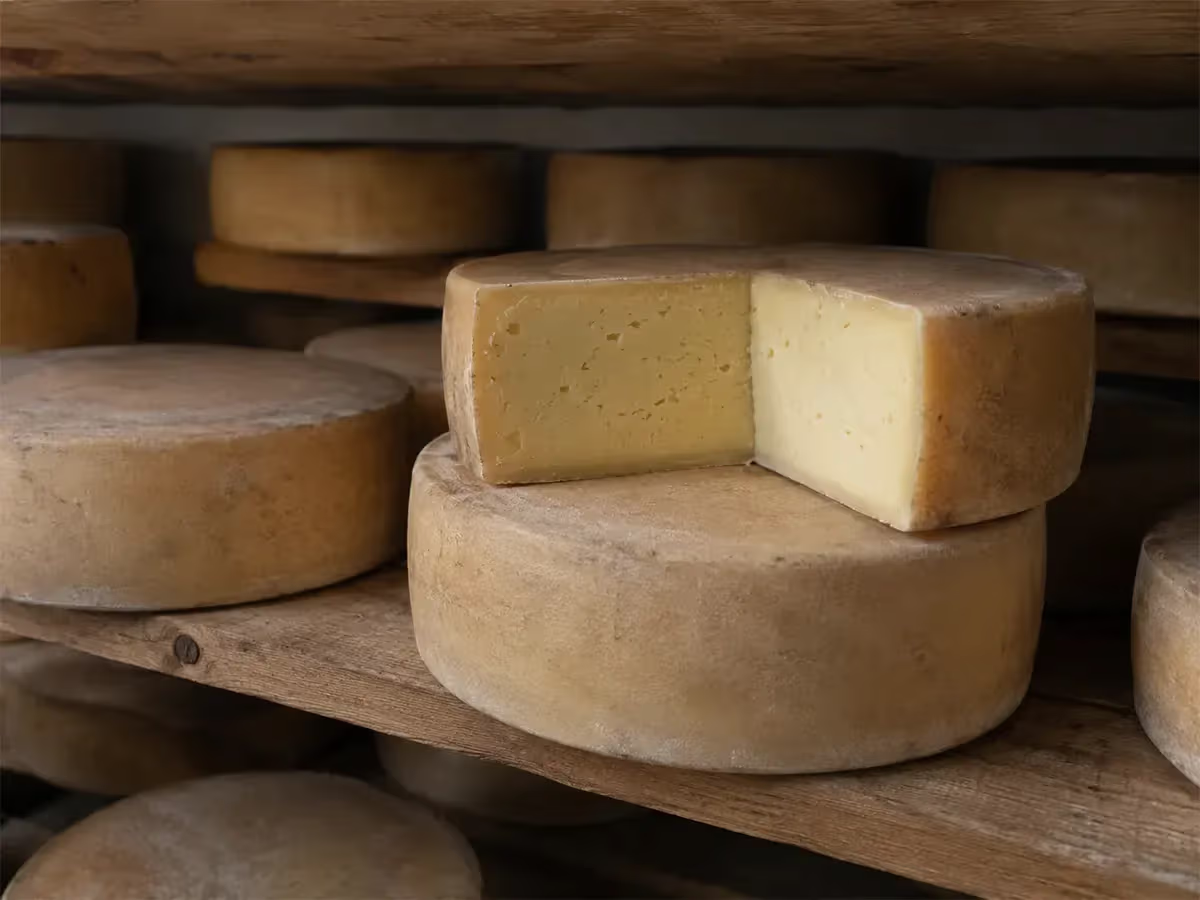
Asiago DOP is recognized first and foremost by the presence of the consortium brand burned into the rind, with the inscription "Asiago" and the Consortium logo. The wheels are cylindrical, with flat or slightly convex faces and a straight edge. The weight of the wheels varies approximately between eight and fifteen kilograms. The rind of the Fresco is thin, smooth and pale yellowish in color; that of the Stagionato becomes thicker, compact and tending towards brown as maturation advances. The paste of the Fresco presents diffuse and irregular eyes, with a milk white or pale straw color. In the aged versions the color intensifies towards golden yellow, the paste becomes drier and the structure more friable. An authentic product must indicate on the label the specific typology, Fresco, Mezzano, Vecchio or Stravecchio, with the indication of the production area.
Asiago DOP is a nutritious cheese, rich in proteins with high biological value and calcium, an essential mineral for bone health. It provides significant amounts of vitamin A, B vitamins and phosphorus. The lipid content varies depending on aging: the Fresco is generally less caloric, while the Stagionate versions concentrate fats and energy intake. The caloric intake is approximately between 300 and 420 kilocalories per 100 grams, depending on the type. Like many semi-cooked paste cheeses, it is free of lactose in the more aged versions, making them potentially better tolerated by those with lactose sensitivity.
Fresh cheese should be stored in the refrigerator, wrapped in appropriate paper or in an airtight container, at a temperature between 2 and 6 degrees Celsius, and consumed within a few days of purchase. Aged cheese tolerates time better: once cut, it should be stored in the refrigerator wrapped in food paper or plastic wrap, preferably in the less cold section. Whole wheels can be kept in cool, dry and well-ventilated environments for longer periods.
The Fresco is consumed predominantly at room temperature, removed from the refrigerator at least thirty minutes before serving, to enhance its softness and dairy aromas. It is excellent on the table, paired with bread, vegetables or cured meats, and melts well on bruschette and baked preparations.
The Stagionato Mezzano and Vecchio are served in flakes or slices as a tasting cheese. The Vecchio and Stravecchio are grated over pasta, risotto, polenta and soups, where they impart intensity and savory notes. In both cases, a slight warming to room temperature enhances its aromatic bouquet.
Fresh Asiago pairs well with light and aromatic white wines from Veneto, such as Soave or Pinot Grigio delle Venezie, which enhance its delicacy without masking it. With Mezzano you can venture something more structured, like a Bardolino Chiaretto or a young Valpolicella.
For the Vecchio and Stravecchio versions, full-bodied red wines pair naturally: an Amarone della Valpolicella or a Valpolicella Ripasso hold up well to the intensity of the aged cheese. On the contrast side, chestnut honey, red fruit preserves and artisanal mustards create interesting balances. Flakes of Stagionato also find their place alongside walnuts, rye bread and, in local tradition, slices of soppressa veneta.
Among the preparations most rooted in the tradition of the Asiago plateau is Asiago soup, a winter dish made with meat broth, stale bread and abundant aged cheese grated or in shavings, gratinéed in the oven until it forms a golden crust.
Polenta with melted Asiago is another classic of the territory: the polenta just cooked is mantecato with pieces of Asiago Mezzano or Fresco, which melt in the hot mass restoring creaminess and flavor. It is a first course that is humble and substantial, still very present in the homes of the plateau.
Risotto all'Asiago, widespread in the provinces of Vicenza and Trento, involves the final mantecatura with Mezzano or Stagionato cheese, which gives the rice a velvety consistency and a more complex aromatic profile compared to mantecatura with butter alone.
On the Sette Comuni plateau, cheese has never been merely a food: it is part of the collective identity of a community that built much of its economy and culture around cattle raising and milk processing. The malga, a seasonal alpine structure where cows spend the summer months, remains today a place charged with meaning, not only productive but also symbolic.
In the families of the plateau, Asiago Stagionato has historically been the cheese of important occasions, served at Christmas and village celebrations alongside local cured meats. The practice of storing a whole wheel in the cellar for months, managing its aging at home, is part of a domestic culture that still persists in some families in the area.
The Asiago plateau traditionally hosts events and festivals that celebrate its cheese heritage. Among the most well-known initiatives is the Asiago Cheese Festival, which takes place in the main town and brings together producers, affineurs, and enthusiasts from all over Veneto and Trentino. The mountain dairies on the plateau also open their doors to visitors during the summer season on occasions dedicated to transhumance and artisanal production, offering tastings directly at the production site. Regional agrifood fairs such as Agrilevante and seasonal agricultural markets in the provinces of Vicenza and Trento regularly include Asiago DOP among the products on display.